Why Dosage Transparency Matters In A Nerve Supplement
A surprising number of nerve-support supplements list their ingredients without ever stating how much of each one is actually in the capsule — a practice called proprietary blending.
Understanding why that matters helps explain why a fully dosed label, like the one on Nerve-Salt, is a genuine point in a formula's favor.
What a proprietary blend actually hides
A proprietary blend lists ingredients by name but states only the combined total weight of the blend, not the individual amount of each component. A 300mg blend of five ingredients could, in theory, be 290mg of the cheapest ingredient and 2.5mg each of the other four — and you would have no way to tell from the label.
Why this matters for calming botanicals specifically
Research on ingredients like Passionflower and Corydalis is generally conducted at specific tested amounts. Without knowing the actual dose in a product, you cannot meaningfully compare what you are taking to what was studied. A formula stating ‘145mg Passionflower’ lets you look up research at or near that amount; a formula saying only ‘proprietary calming blend’ does not.
The practical test
What full disclosure does not guarantee
Applying this to Nerve-Salt
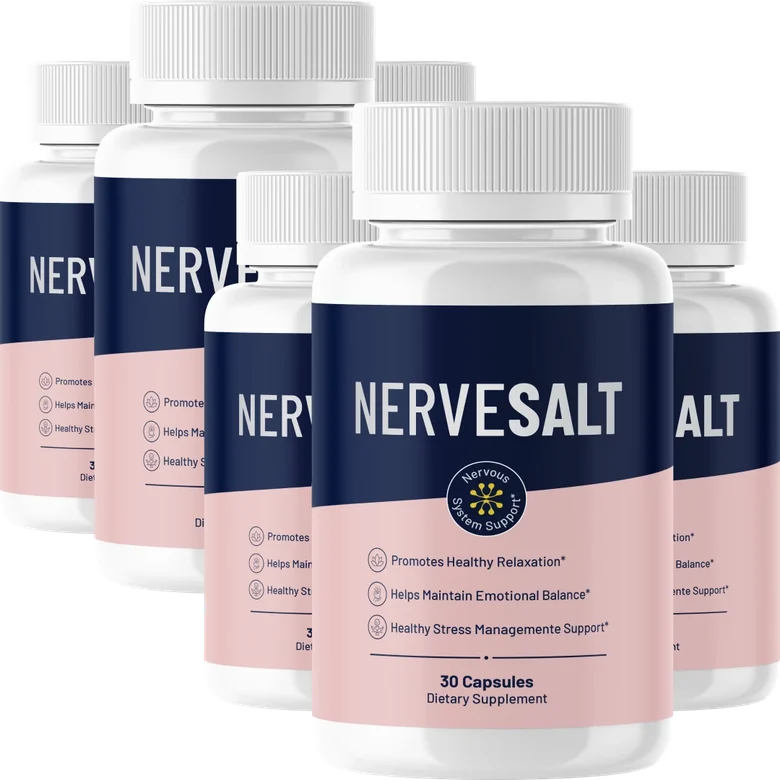
Nerve-Salt's label states an exact milligram amount for all five ingredients: Passionflower (145mg), Marshmallow Root (110mg), Corydalis (100mg), Prickly Pear 20:1 Extract (50mg) and California Poppy Seed (45mg). That transparency is a genuine, checkable advantage over formulas that only disclose a combined blend total.