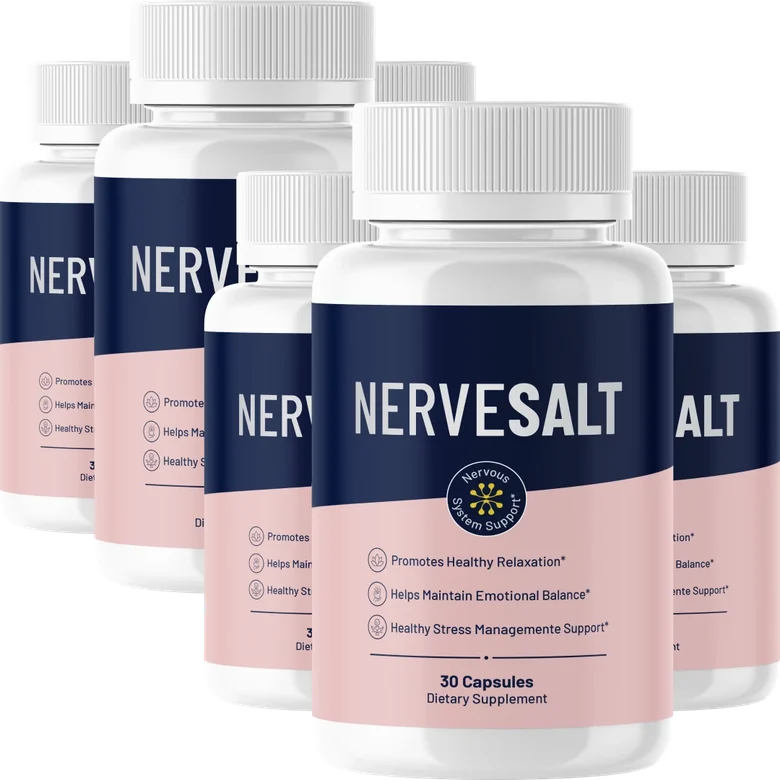
The Science Behind Nerve-Salt
Nerve-Salt works across three connected pathways using five botanicals, every one listed with an exact milligram dose.
Passionflower's 145mg dose leads the formula, though Corydalis also carries a genuine interaction consideration.
Three pathways, five disclosed doses
Everyday nerve comfort is not governed by a single switch, so Nerve-Salt does not target one. The formula is built around six supporting roles that map onto three broader pathways — and unlike many competitors, every dose is stated on the label.
1. Nervous system calming
Passionflower leads the formula at 145mg, the single largest dose, joined by Corydalis (100mg) and California Poppy Seed (45mg). All three are traditionally associated with calming effects on the nervous system. Passionflower's traditional use is documented by the NCCIH. See our full piece on the Passionflower question.
2. Antioxidant protection
Prickly Pear 20:1 Extract (50mg) is a concentrated form rich in antioxidant compounds studied for their association with protecting cells from everyday oxidative stress, indexed on PubMed.
3. Tissue comfort
Marshmallow Root (110mg) contains mucilage, a gel-like plant compound traditionally associated with a soothing, protective effect on irritated tissue.
A genuine safety consideration
Corydalis carries real interaction potential with CNS depressants, sedatives and certain blood pressure medications. See our full piece on Corydalis interactions explained before starting if you take any of these.
What this realistically means
Support is the operative word throughout. Nerve-Salt supplies calming and antioxidant botanicals at disclosed doses relevant to everyday nerve comfort; it does not override an underlying medical cause of nerve symptoms, and it does not treat neuropathy. See the full ingredient list and what it is designed to support.